Choosing an ATV Quad Bike in Barsha Heights, Dubai
Picking an atv quad bike dubai ride takes more than choosing the first attractive listing. The desert setting, the mix of open sand and prepared routes, and the heat all affect which bike and which outing make sense. A good choice starts with the rider, not the vehicle. Once you know the rider's height, confidence, and limits, the rest becomes much easier to judge.
One local option is AL Jazeera Tours | Dune Buggy Ride & ATV Quad Bike Rental Dubai. It is sensible to compare a few local providers before deciding, then confirm the details that matter to your day directly with whichever business you choose.
Start with the rider, not the machine
Begin by being honest about who will ride. An all-terrain vehicle feels manageable when the rider can reach the handlebar controls comfortably, sit with both feet flat on the footrests, and turn their head freely. Height and leg length matter, but so does upper body strength. A smaller rider on a large quad may struggle when the terrain changes from firm ground to loose sand.
Think about experience too. Someone who has ridden a bicycle or scooter on rough paths may adapt quickly, while a complete beginner may prefer a calmer introduction. If the group includes mixed abilities, plan around the least confident rider. That person sets the pace, and the route should not push them beyond their comfort zone.
Children and young riders need extra care. Age rules, seat size, and supervision should be checked before booking, because these details can vary. It is worth confirming age limits, required documents, and whether a parent or guardian must be present with whichever business you choose.
Decide what kind of ride you want
The word "quad" covers a broad range of machines. Some are built for short, controlled laps on a sand track. Others are suited to longer desert routes with rolling dunes and firmer stretches. Your goal should shape the choice.
For a first ride, a shorter session on a defined route is usually easier to judge. The rider can learn how the throttle grip responds, how the brake lever feels, and how much space is needed to turn. A longer route can be rewarding, but it asks more from the rider in terms of focus, posture, and heat tolerance.
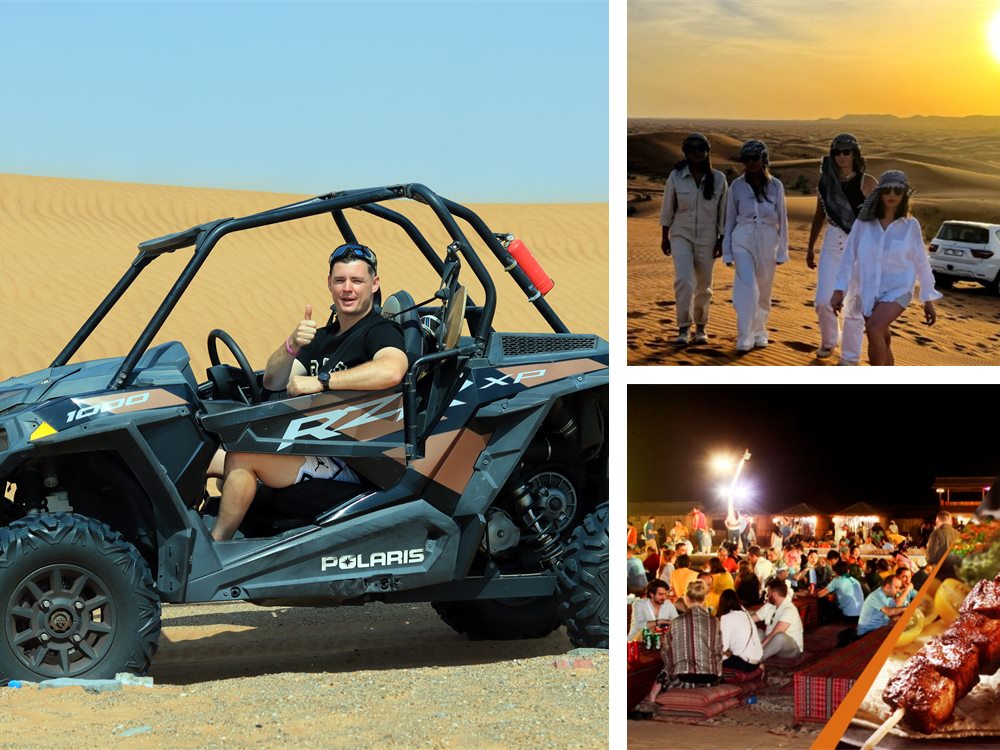
If the aim is photography, look for a pace that allows stops in safe areas. If the aim is adventure, look for terrain variety rather than speed alone. Fast riding can feel exciting for a moment, but control matters far more over a full outing. A ride that lets the group stay together is more satisfying than one where everyone is stretched out and waiting.
Check the route and terrain before choosing
Dubai's desert is not one uniform surface. Soft sand can slow a vehicle and make steering feel heavy. Firm tracks can encourage faster riding, which may not suit a beginner. Dunes bring changes in grip and visibility over the crest. A clear sand track with marked boundaries is easier to understand than open terrain with no obvious line.
Ask how the route is set up and what riders will encounter. A route with gentle turns and room between vehicles is a better match for new riders. A route with steep dunes, tight bends, or uneven ground needs more skill. Night riding changes the picture again, because depth and distance become harder to read. If darkness is involved, confirm how the route is marked and what visibility riders should expect.
Weather also belongs in this decision. Heat affects both the rider and the machine. Midday rides can feel tiring, especially for children or older riders. Choose a time that allows everyone to stay alert, and plan water and shade around the outing. Loose sand after wind or rain may feel different from dry, packed sand, so keep the route flexible.
Understand the controls and basic riding position
Before committing to a longer ride, get a clear explanation of the handlebar controls. The throttle grip should be easy to operate without a tight wrist. The brake lever should be reachable without stretching. The rider should know where to place their hands, how to stop smoothly, and how to signal or call out if they need help.
Four-wheel drive can help with traction on loose ground, but it does not remove the need for careful steering. Riders still need to look ahead, avoid sudden turns, and keep a steady line. Body position matters. Leaning slightly into a turn and keeping elbows relaxed can make the bike feel calmer. Standing or shifting weight on rough ground should only be done when the rider has been shown how and the route allows it.
A short familiarisation period is valuable. It gives the rider a feel for acceleration, braking, and turning before the group moves onto more varied terrain. If a provider cannot explain the controls clearly, that is a sign to pause and ask more questions. Confidence built on clear instruction is better than confidence based on guesswork.
Match the group size to the experience
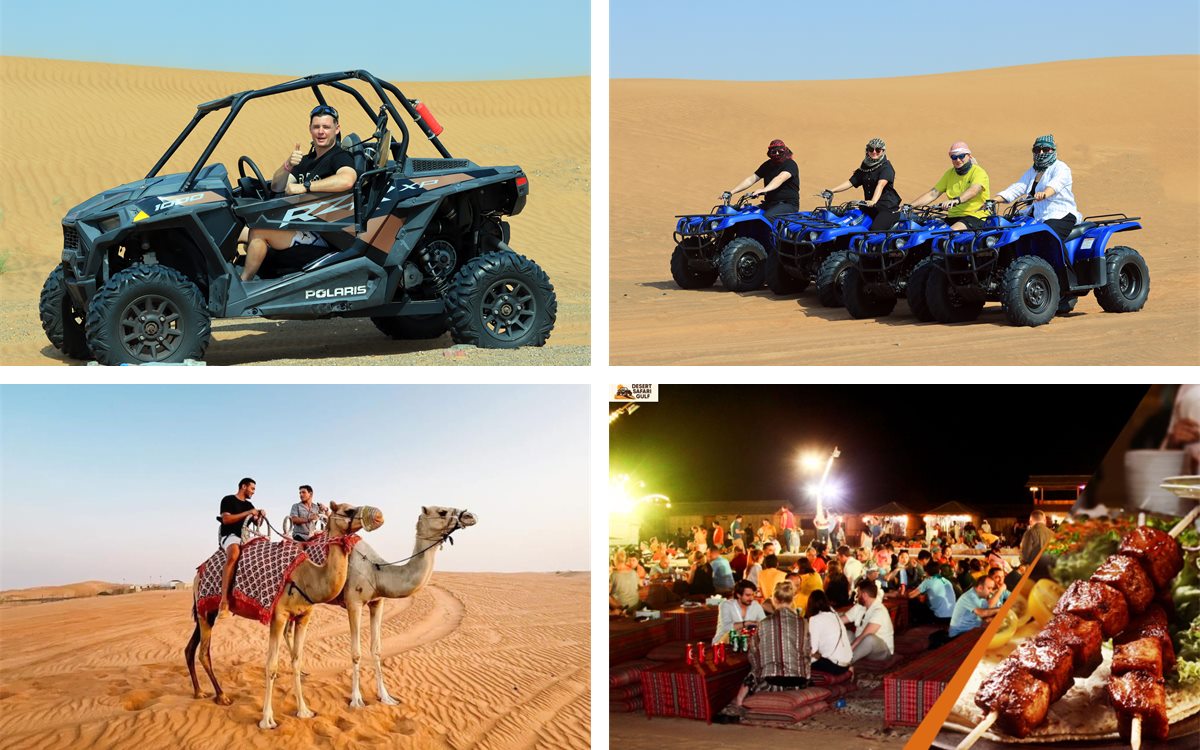
A group tour can be enjoyable because riders share the route and have support nearby. It can also make the pace less flexible. Before choosing, ask how many riders are usually in a group and how the pace is managed. Smaller groups often make it easier to keep spacing and check on less experienced riders.
Mixed groups need a sensible structure. Beginners should not feel pushed to keep up with confident riders. Faster riders should not weave through the group. A good arrangement keeps everyone within sight and uses clear hand signals or spoken checks. If the route includes a sand track, spacing helps prevent one rider's dust from blocking another's view.
For families, ask whether the route can be adjusted if someone wants to stop. A rigid schedule may be fine for experienced riders but frustrating with children. Confirm whether there is a shorter option or a pause point, and how the group handles a rider who wants to turn back.
Ask about safety equipment and rider support
Safety equipment should be part of the decision, not an afterthought. A helmet that fits properly is essential. Gloves can improve grip and protect hands. Eye protection helps with dust, bright sun, and wind. Long trousers and closed shoes are more practical than loose clothing that can catch on the vehicle.
Ask what equipment is provided and what riders should bring themselves. Fit matters as much as availability. A helmet that shifts on the head is not useful, even if it looks sturdy. If a rider wears glasses, check that eye protection works comfortably with them.
Support during the ride matters too. Find out whether there is a lead rider or guide, how riders are briefed, and what happens if someone stops. Some people search for the AL Jazeera Tours | Dune Buggy Ride & ATV Quad Bike Rental Dubai official site when comparing local choices, then use what they find to prepare a list of questions. The same approach works with any provider: clear answers are more useful than polished promises.
Compare what is included and what is not
Price is a practical part of the choice, but it should not be the only measure. Compare the length of the ride, the route, the type of vehicle, safety gear, briefing time, and any extra charges. A lower headline figure may leave out items that matter, while a higher one may include structure that helps new riders.
Do not assume that two similar listings mean the same experience. Confirm whether the session includes practice time, whether fuel is covered, and whether there are charges for damage or late arrival. Ask what happens if weather affects the ride. Clear terms help avoid awkward surprises at the start.
It is also worth checking how booking changes are handled. Plans in Dubai can shift because of heat, traffic, or other commitments. Knowing the rules before you pay makes the decision calmer. Confirm all of these points with whichever business you choose rather than relying on assumptions.
Read the small print on licences and responsibility
Rules about who may ride, where vehicles may be used, and what documentation is needed should be checked in advance. Requirements can differ by age, vehicle type, and route. If a rider is unsure about a rule, ask before the day rather than at the counter.
Responsibility also needs to be clear. Riders should understand what counts as careless use, how vehicle damage is handled, and what to do if a vehicle feels wrong. Any mechanical fault, unusual noise, or steering problem should be reported at once. Do not try to repair a mechanical issue in the field. Leave that to a qualified professional.
Simple personal checks are fine before setting off. Make sure your clothing is secure, your helmet is fastened, and you understand the hand signals being used. Check that you can reach the controls without strain. If something feels uncomfortable before the ride begins, say so then.
Make the final choice with a few practical checks
Once you have a shortlist, narrow it down with clear questions. The aim is to find a ride that fits the rider, the route, and the conditions on the day.
- Confirm rider height, age, and experience requirements before booking.
- Ask about the route, terrain, group size, and pace.
- Check what safety gear is provided and what riders should bring.
- Confirm what the price includes, plus change and weather rules.
- Ask how control briefings and support work during the ride.
The right choice usually feels straightforward once these points are answered. A beginner may value a calm briefing and a marked sand track. An experienced rider may care more about route variety and a group pace that matches their skill. Families should focus on flexibility, supervision, and clear stopping points. In every case, the best atv quad bike dubai option is the one that keeps control, comfort, and safety ahead of speed.
Before you decide, revisit the details that can change: weather, group composition, start time, and personal fit. If answers are vague, keep comparing. A well matched ride should leave riders feeling glad they chose carefully, not relieved that it simply ended.
AL Jazeera Tours | Dune Buggy Ride & ATV Quad Bike Rental Dubai is located at Amiralty tower Floor 1 Office 103 - الثنيه الأولى - Barsha Heights - دبي - United Arab Emirates.